Arriving by train
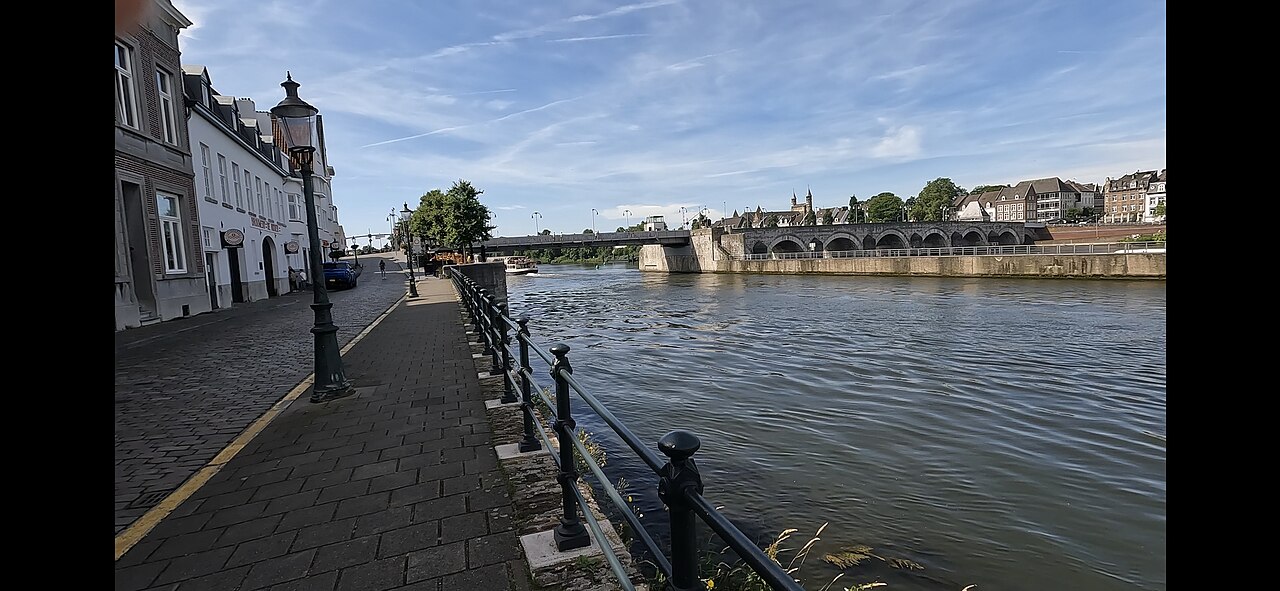
For the centre, choose Maastricht station. From there, Stationsstraat leads through Wyck towards Sint Servaasbrug. Maastricht Randwyck is a different station and may suit a particular destination, but it is not the default arrival point for this walking guide.
Use NS for Dutch rail journeys and 9292 for the complete public-transport trip, including local connections. Check the date, not just the usual weekday pattern: engineering works and special events can alter a route.
For a visit from another country, check the whole journey with the relevant operators before buying separate tickets. Leave a realistic connection margin. A cheap itinerary loses its appeal if the group spends the first evening waiting for the last person at a different station.
Driving and parking
Choose parking before entering the centre. Maastricht Bereikbaar publishes the current parking and Park + Ride options. Compare the complete cost and journey to your accommodation, rather than assuming a central garage or an outlying car park will always be better.
If you are staying overnight, ask the accommodation about access and parking instructions. A hotel address in the old centre does not necessarily mean you can drive directly to the door at any time.
Once you are parked, most of the first-day route works on foot. Moving the car between a bookshop, a square and a lunch stop generally adds work. Keep it for destinations that actually need it.
Where to stay
Wyck is practical for train arrivals and early departures. The old centre puts you close to the major squares and evening food stops. Sphinx suits a trip focused on the northern cultural district. Céramique is useful if you want the east bank and Bonnefanten nearby.
Use the exact street and room details to make the final decision. Check stairs or lift access, whether your room faces a busy bar, and where luggage can be left before check-in. A neighbourhood description cannot answer those questions.
For a weekend with friends, agree the budget and the return arrangements before booking. Being a few minutes apart is usually easier than sharing a room configuration that does not work for the group.
Book these first
Book a cave or fort tour if it is a priority: the departure time and language determine the rest of that half-day. Book a restaurant if your group has a particular dinner in mind. Check a film programme if you want Lumière to anchor the evening.
For museums, check the current programme and any gallery closures before purchasing. A ticket is useful only if the exhibition you want is open. For late October and early November 2026, pay particular attention to Bonnefanten's installation notices.
Leave casual coffee, the bridge, the city walls and general browsing flexible. A trip works better when the schedule distinguishes a timed booking from a place you can simply walk past later.
Walking and access
Expect cobbles and uneven surfaces in parts of the old centre. On a first visit, choose a compact route and allow breaks. The hill and quarry are a separate level of effort from the centre; their paths and stairs should not be treated as an automatic extension for every group.
Dominicanen publishes lift and wheelchair information. For the North Caves, ask the operator about the specific route and equipment you use. For a hotel or restaurant in an older building, confirm the entrance and toilet access directly.
The neighbourhood diagram on this site helps with orientation; it is not a step-free route map. Use detailed mapping and operator access information for the actual journey.
Keeping the cost down
The bridge, exterior city walls, squares and Sphinxpassage can form a full day without an attraction ticket. Spend on the interior or tour you most want rather than buying several admissions because they happen to be nearby.
A bakery lunch and one booked dinner can be a useful balance for a weekend. Compare current menus and ticket prices rather than relying on an old daily-budget estimate. Transport, accommodation and a particular event can change the total much more than the price of a coffee.
Check your dates
Market days, holidays, concerts and Carnival can change the feel of the centre and the availability of rooms. Check the city events calendar before choosing a weekend, especially if quiet streets or a low room rate matter to you.
Monday needs a little care: Bisschopsmolen is normally closed and individual museums and restaurants have their own schedules. Sunday opening can start later for shops. Confirm the particular places on your route instead of treating the whole city as having one opening time.
About this guide
Gezellig Maastricht is an independent visitor guide. The site uses no advertising trackers or analytics cookies. Photographs and scripts are served with the site. External booking and map links take you to the relevant provider.
The shorter language editions cover the basics; the longer guides are currently in English. Photography credits and reading references are collected separately.