Wyck: start on the station side
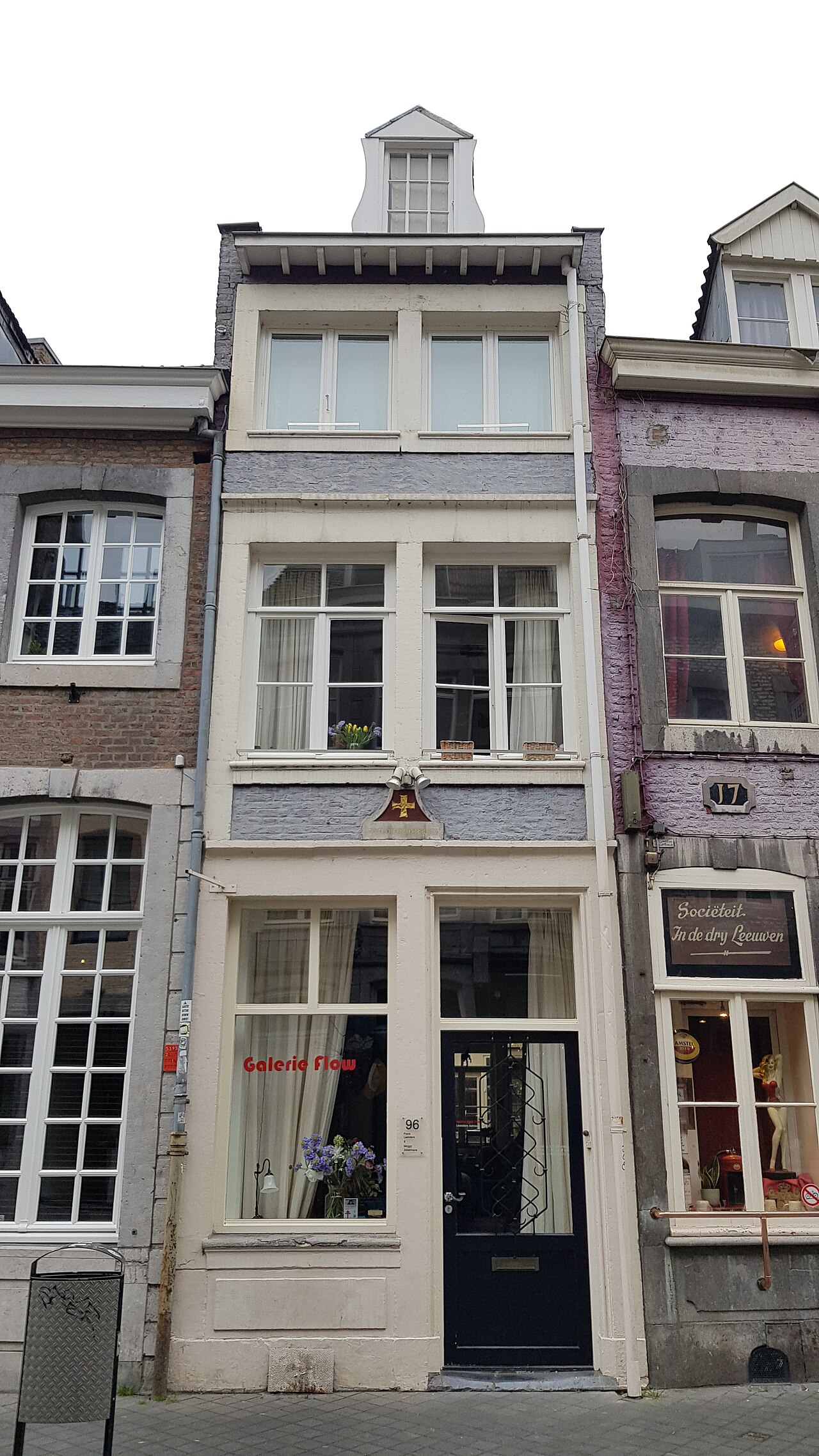
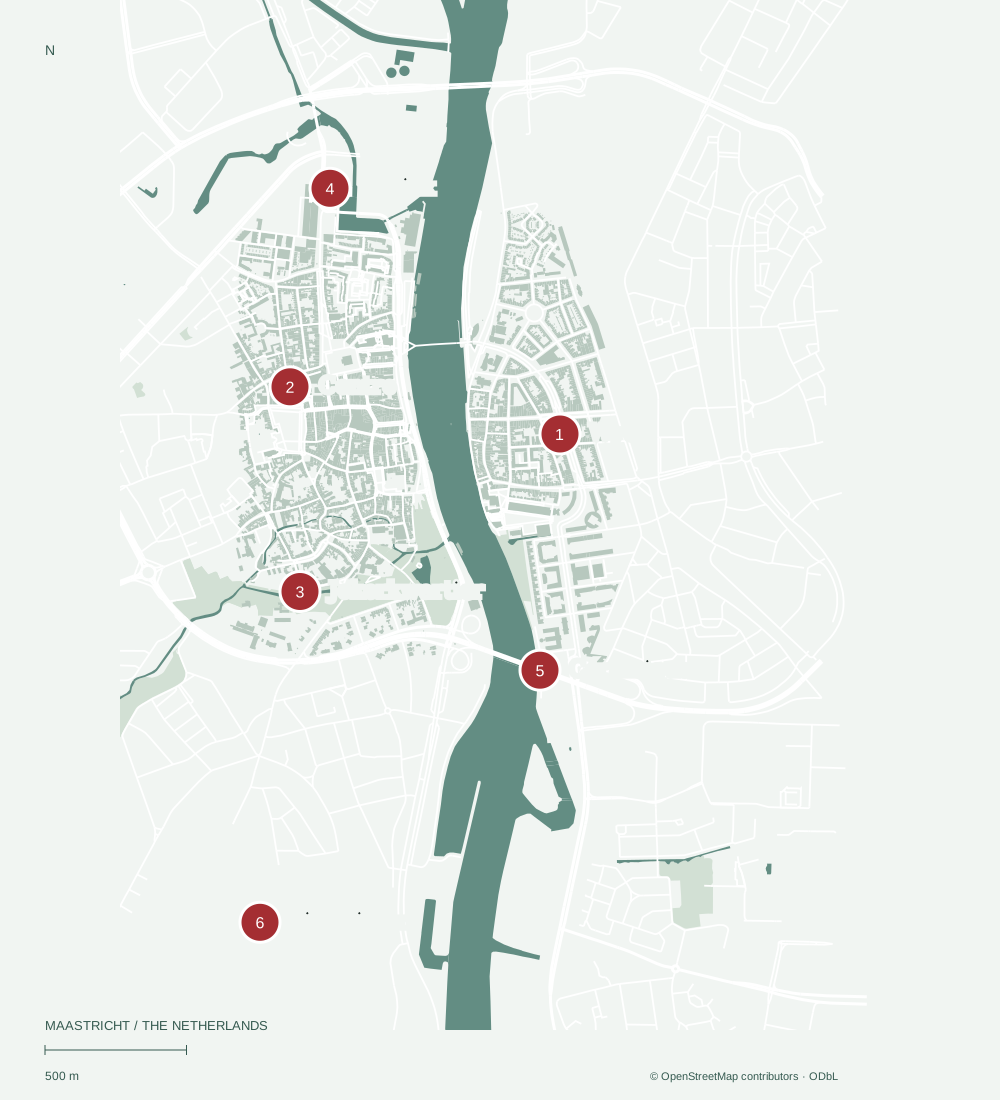
If you arrive at Maastricht station, you are already in Wyck. Walk west along Stationsstraat towards the river, then turn into Rechtstraat before crossing. It is an easy way to add independent shops and a meal to the arrival walk rather than retracing your steps later.
The centre: Vrijthof, Markt and the bookshop
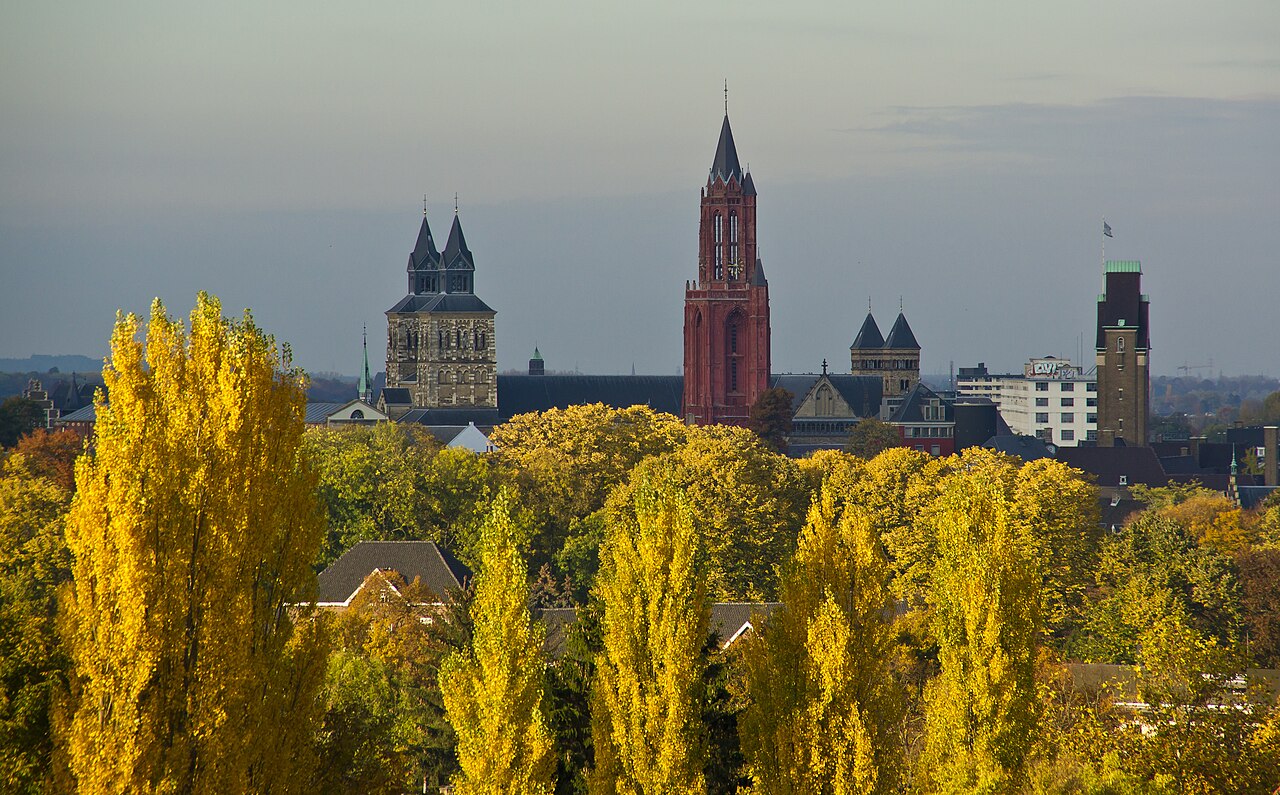
Vrijthof and Markt are different squares. Vrijthof is the one beside Saint Servatius and the red tower of Saint John; Markt surrounds the town hall. Dominicanen sits between them, making the three a useful first circuit.
Jekerkwartier: walls, water and the mill
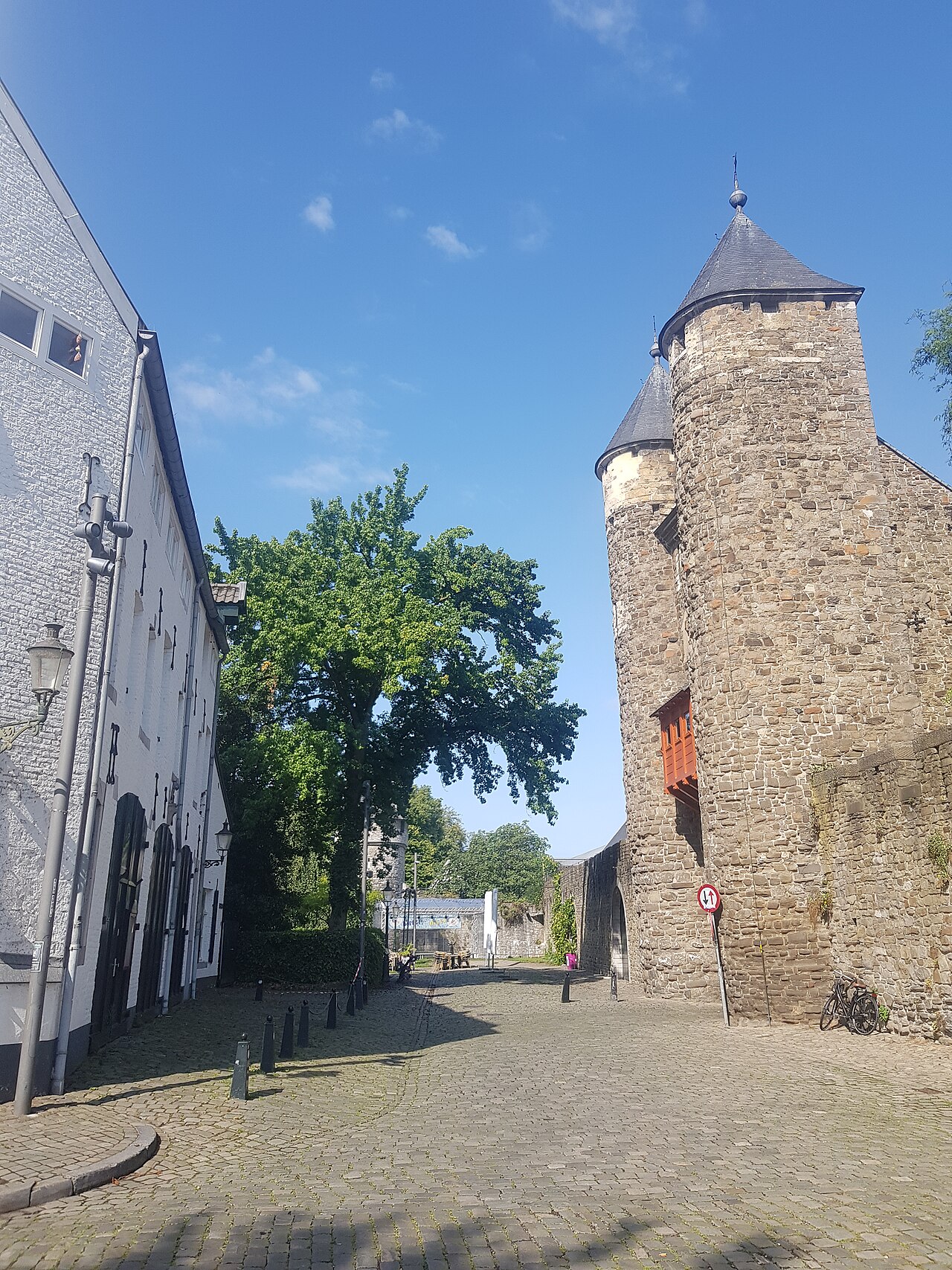
South of the shopping streets, the Jeker appears between buildings and beside the old defences. Make a route through Stenenbrug, Grote Looiersstraat and Helpoort, then come back through the park. It is a compact area, but adding the natural history museum turns a short walk into most of an afternoon.
Sphinxkwartier: the factory side of town
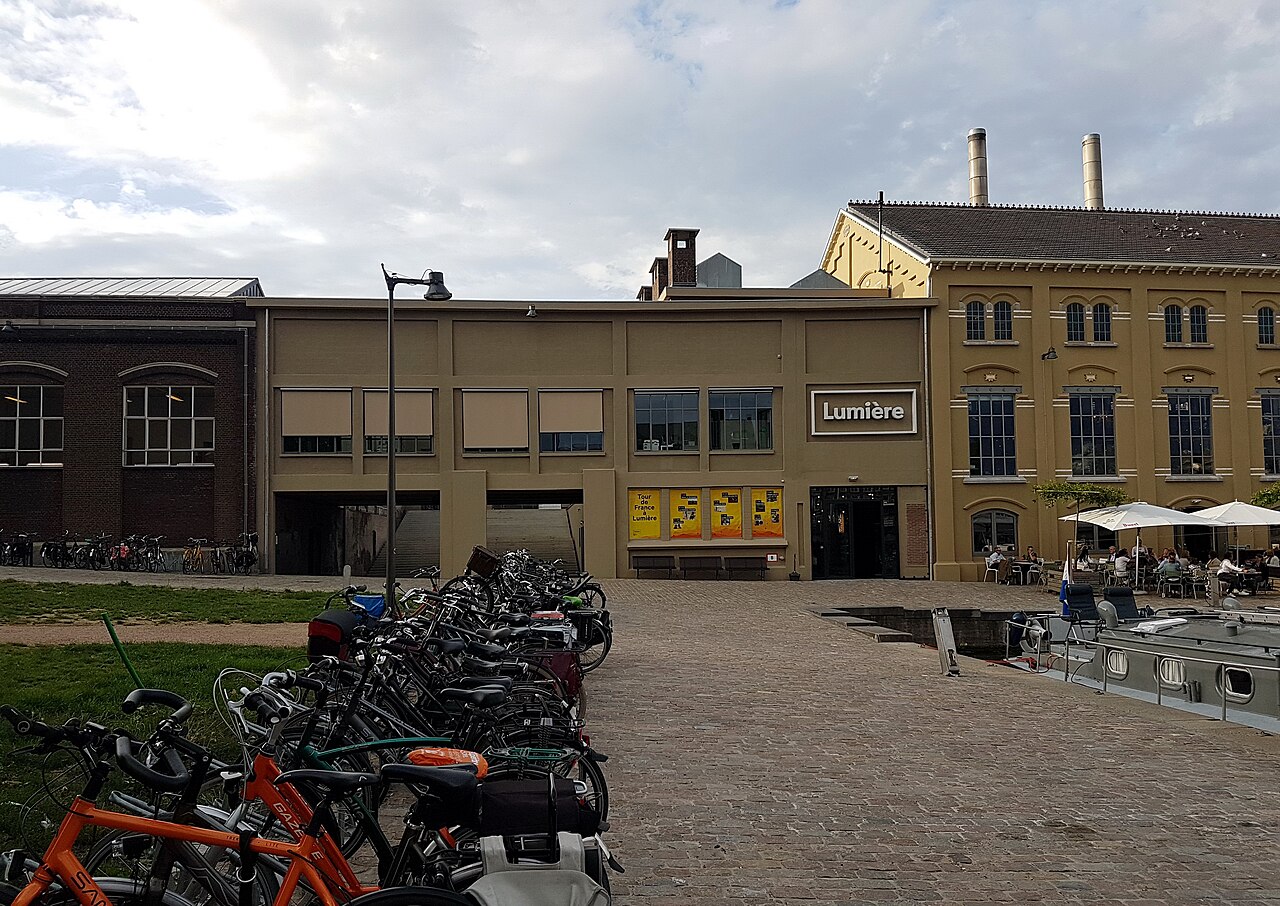
Walk north from Markt along Boschstraat. The buildings get bigger as you reach the former ceramics district. Start with Sphinxpassage, then cross towards the Bassin and Lumière. The sequence makes the reuse of the industrial buildings easier to understand.
Céramique: art and a riverside walk
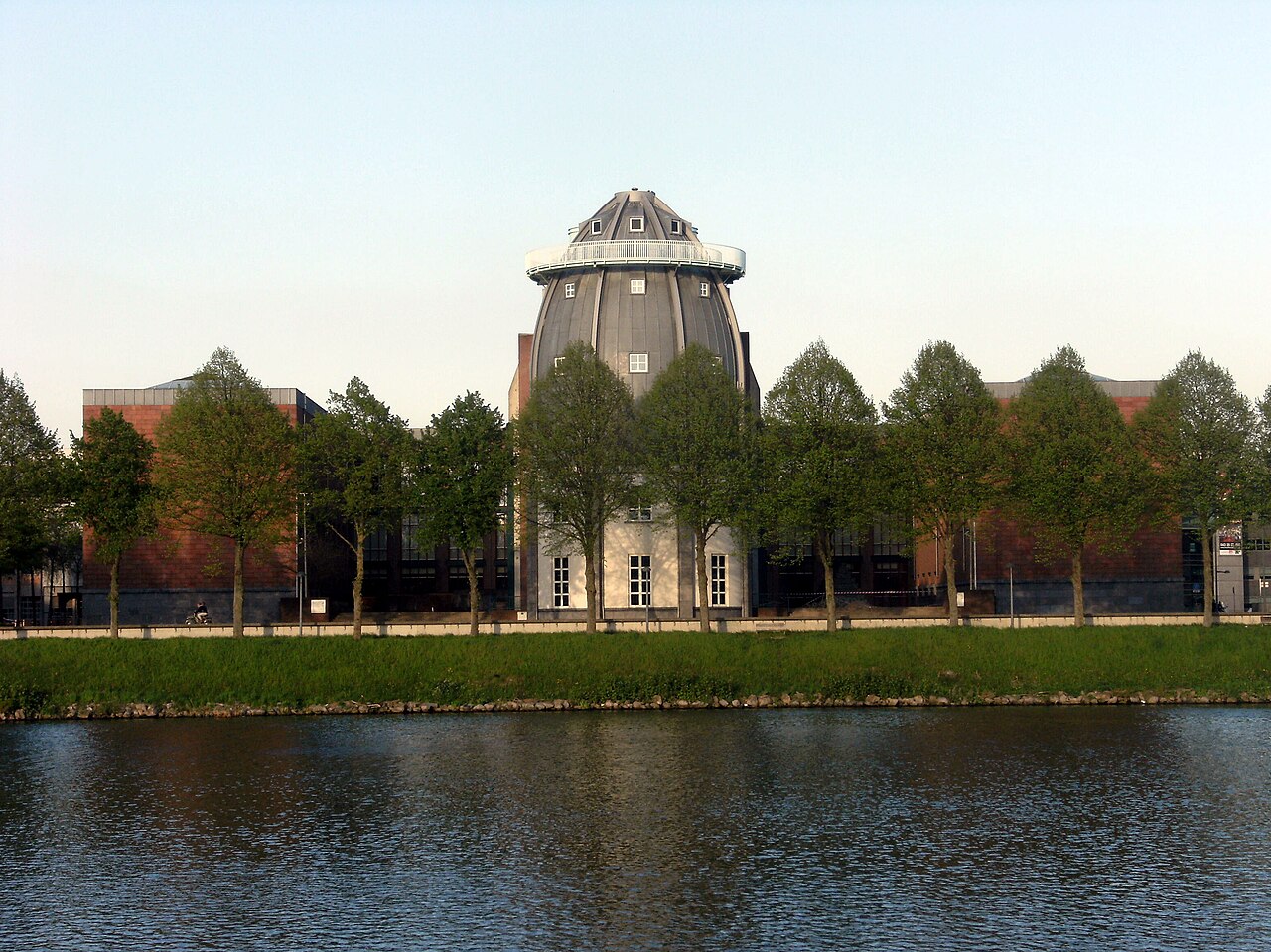
South of Wyck, Céramique has broader streets and a noticeably different architectural character. Bonnefanten is the main art stop. Combine it with the east bank of the Maas rather than crossing backwards and forwards to collect individual sights.
Sint Pieter: leave room for the hill
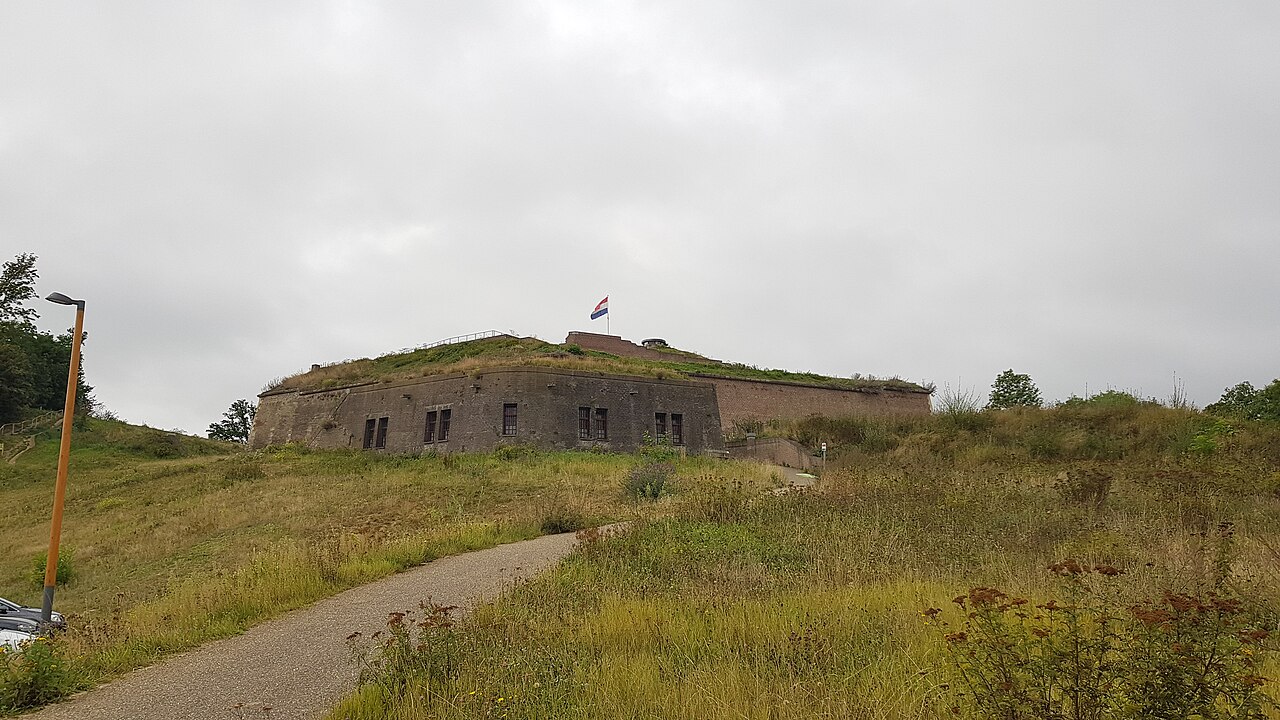
The southern edge of town is where a city break becomes a walk. Fort Sint Pieter, the quarry viewpoints and the guided underground tours are close enough to combine, but not close enough to squeeze between two appointments in the centre.